

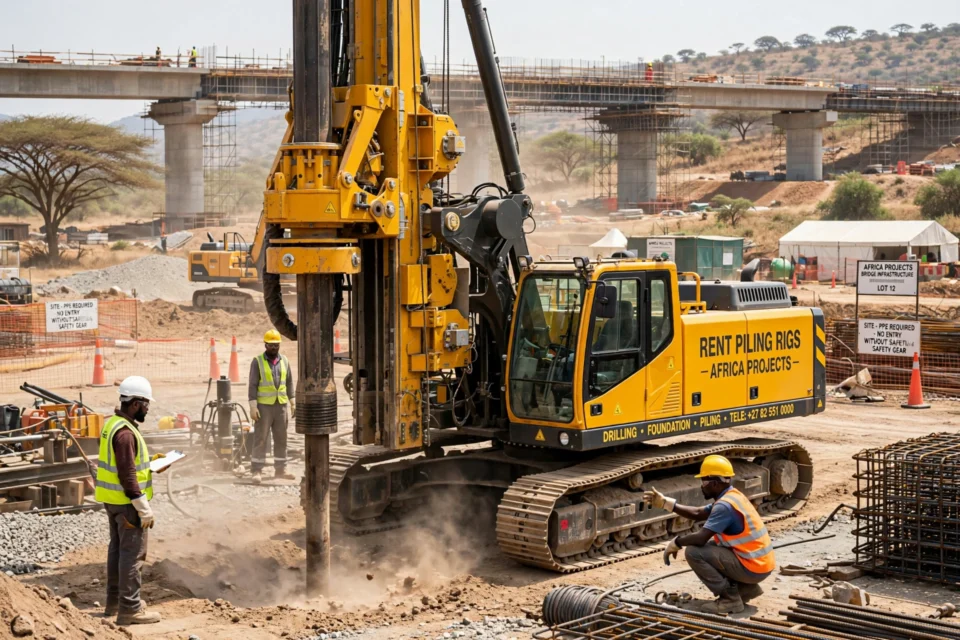
Construction schedules change. Equipment needs change. And in the African construction market, flexibility can make the difference between keeping a job moving and having an expensive machine sitting idle in your yard.
There is still a lot of dirt to move across Africa.
From commercial site developments and road construction in Nairobi and Lusaka, to utility installations in Johannesburg, industrial projects in Kolwezi, and housing developments in Accra and Kigali, contractors have plenty of different types of work to consider.
But here is something I have learned from being in the heavy equipment business in Africa: Just because there is work out there does not mean every contractor needs to buy another machine.
Sometimes the smarter move is having access to the right equipment when the job calls for it. And that is what I want to talk about this week.
African Construction Isn’t a One-Size-Fits-All Market
Think about the different kinds of construction happening across the continent.
One contractor may be clearing and grading a commercial property in Gauteng. Another is digging utility trenches for a water project in Zambia. Someone else is preparing a haul road at a copper mine in the DRC, stabilizing soil for a highway in Kenya, or moving material across a large mixed-use development in Ghana.Those jobs don’t all require the same equipment.
A contractor might need an excavator for several weeks, a dozer for a shorter phase, and a motor grader when it’s time to bring the site closer to final grade. Next month it might be a roller, an articulated dump truck, or a TLB.
The equipment needs can change as quickly as the work progresses, especially when you are managing projects across different sites or even different countries.
That’s where having flexibility in your fleet becomes valuable.
Owning Every Machine Isn’t Always the Best Business Decision in Africa. I work in heavy equipment rentals and sales, so I see the value in both renting and owning equipment.
If you have a machine working consistently, and you know you are going to keep it busy for 1,500+ hours a year, ownership can make a lot of sense.
But what happens when you need a specialized machine for one project in a remote location?
Or you have two jobs starting at nearly the same time — one in Copperbelt and one in Limpopo?Or the excavator you planned to use is still tied up on a mine site and moving it will cost you two days and a lowbed?
Buying another machine might solve the immediate problem, but it also means another major capital investment, additional maintenance, insurance, cross-border transportation, import duties, and the responsibility of keeping that machine productive in a tough environment.
A machine sitting in the yard in Randburg or Ndola is not making you money. In fact, it is costing you money. That is why I believe African contractors should look at equipment utilization before deciding whether to rent or buy.
Five Situations Where Renting Heavy Equipment Makes Sense in Africa1. When your workload increases temporarily
You have won a new tender and your existing fleet is stretched thin. Renting another excavator, dozer, or ADT can help cover the additional work without making a long-term purchase you might not need after the project.2. When you need equipment for a specific phase.
A soil stabilizer, motor grader, or compaction roller might be essential for the roadworks phase but unnecessary once that work is complete. Why own it for 12 months when you need it for 3 weeks?3. When your machines are committed to other jobs.
Moving equipment between jobsites across provinces or borders isn’t always practical, especially when both crews need to keep working and transport costs are high.4. When you want to protect your capital and cashflow
Buying heavy equipment requires significant financial commitment, especially with interest rates and exchange rate fluctuations.
Renting can preserve capital for payroll, diesel, materials, wear parts, and other operating expenses.5. When you want to evaluate a machine before buying.
Using a rental machine on an actual site in African conditions — hard ground, high heat, dusty conditions — can help you determine whether that type or size of equipment really makes sense for your operation before you commit.
The Real Cost Isn’t Always the Rental Rate
Here is something contractors across Africa should consider. When you are comparing rental rates, don’t look at the daily, weekly, or monthly number by itself. Think about what that machine is going to accomplish. Will it help you keep your crew productive and avoid standing time?
Will it prevent another part of the project from falling behind and incurring penalties?
Will it let you finish a phase without moving equipment away from another profitable job?
And is it the right size and configuration for the African site conditions?A lower rental rate does not necessarily mean a lower total job cost if the equipment is underpowered, unreliable, or not properly supported with backup service.
The goal is not simply to get the cheapest machine. The goal is to get the right machine, put it to work, and keep the project moving profitably. Equipment Planning Should Start Before You Need the Machine.
One thing I encourage contractors in Africa to do is think ahead.If you know you are going to need a motor grader in three weeks for final layer works, don’t wait until the day before to start looking.The same goes for excavators, dozers, rollers, articulated trucks, and soil stabilizers.
Rental inventory moves fast during peak construction season, especially when mines and big infrastructure projects are active.
Planning ahead gives you a better opportunity to match the machine to the project, coordinate lowbed transportation, secure operator availability, and avoid last-minute surprises and premium rates. It also gives you time to properly compare renting versus buying if the project is going to require the machine for an extended period.
My Take: Flexibility Is Part of Running a Good Equipment Fleet in AfricaThere is nothing wrong with owning equipment. For many established contractors, owning the core machines they use every day is absolutely the right decision.
But I also believe there is value in knowing when not to buy.
You don’t have to own every machine your company might ever need to be a serious contractor in Africa. You need dependable access to well-maintained, late-model equipment that helps your crews get the work done, on time and within budget.
As contractors plan their next projects across Southern, East and West Africa, I think equipment flexibility deserves a place in the conversation right alongside labour, materials, diesel costs, scheduling, and cross-border logistics.
Because the real objective is not to have the most equipment in the yard. It is to keep the equipment you have — whether owned or rented — working profitably.
